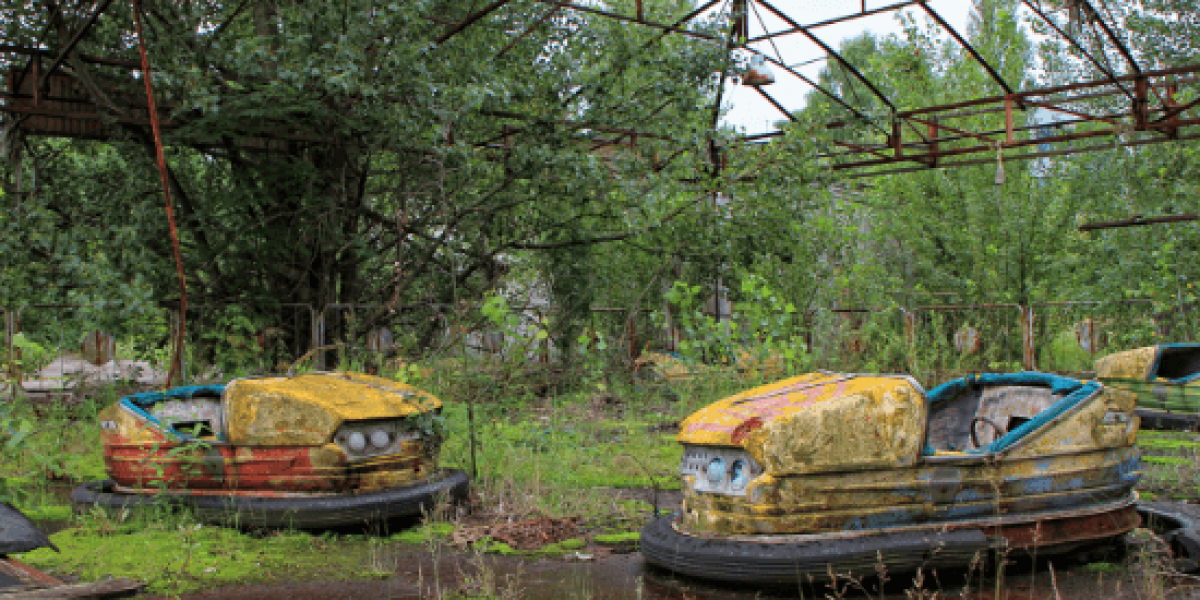
In 1986, Reactor Four at the Chernobyl nuclear plant exploded in the worst nuclear disaster in history.
The radiation was so lethal that humans were banned from a 19-mile zone around it. Nothing was supposed to survive in there. It was a dead place. A no-go zone. A monument to catastrophe.
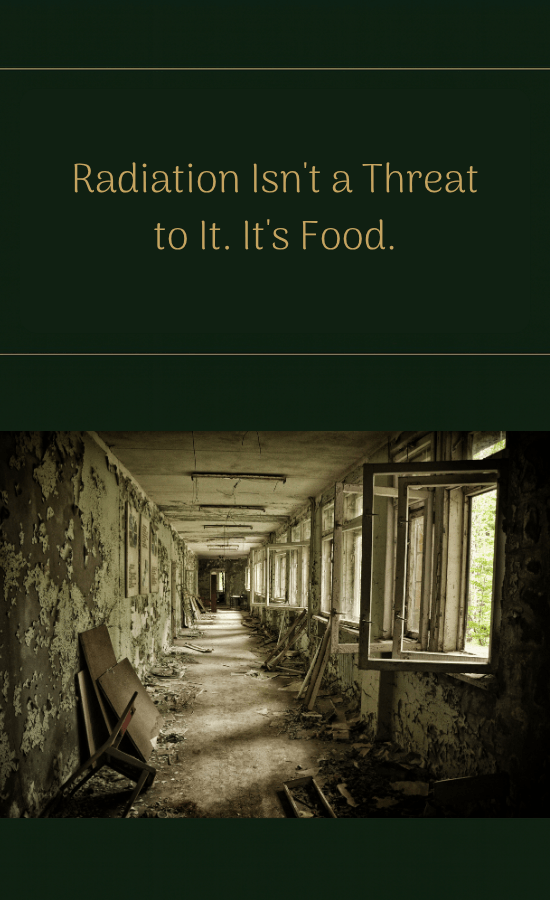
Then, years later, a Ukrainian scientist found something growing on the walls inside the destroyed reactor.
A black fungus. Thriving. Spreading across the ceilings and walls of the most radioactive place on Earth.
It wasn’t just surviving the radiation. It was drawn to it.
Here's the part that sounds made up.
This fungus doesn’t just tolerate radiation. It eats it.
Using melanin—the same pigment that colors your skin, hair, and eyes—the fungus absorbs deadly gamma radiation and converts it into energy it can live on.
Scientists gave the process a name: radiosynthesis. Think of photosynthesis, where a plant turns sunlight into energy. Now swap the sunlight for nuclear radiation.
Where humans see one of the deadliest forces on the planet, this fungus sees a buffet.
Sit with how strange this is.
We built a machine so powerful that when it failed, it poisoned the land for generations. We fled. We sealed it off. We wrote it into history as a place where life ends.
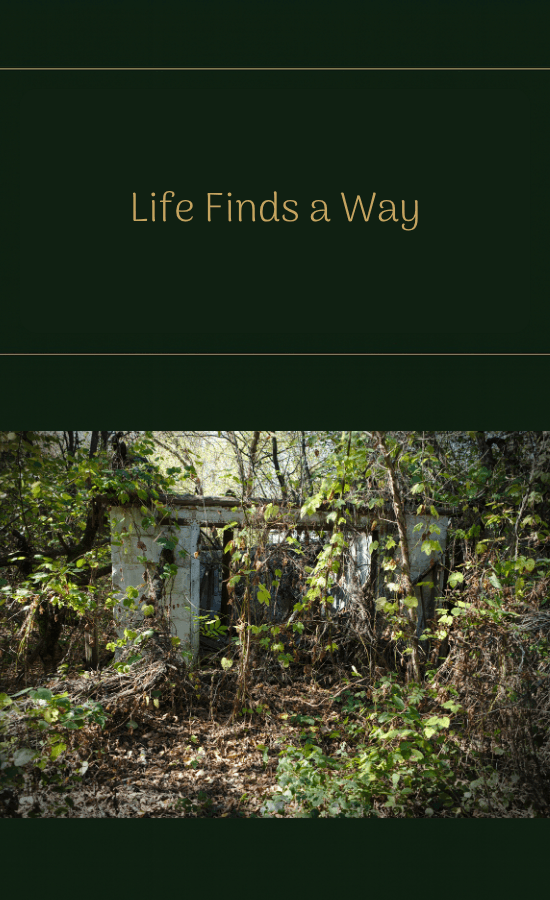
And a fungus quietly moved in and set up home in the wreckage.
It didn’t just endure the most hostile environment we’ve ever created. It found a way to make a living there. To turn our worst disaster into its energy source.
Nature didn’t flinch. It adapted—in a way we never saw coming.
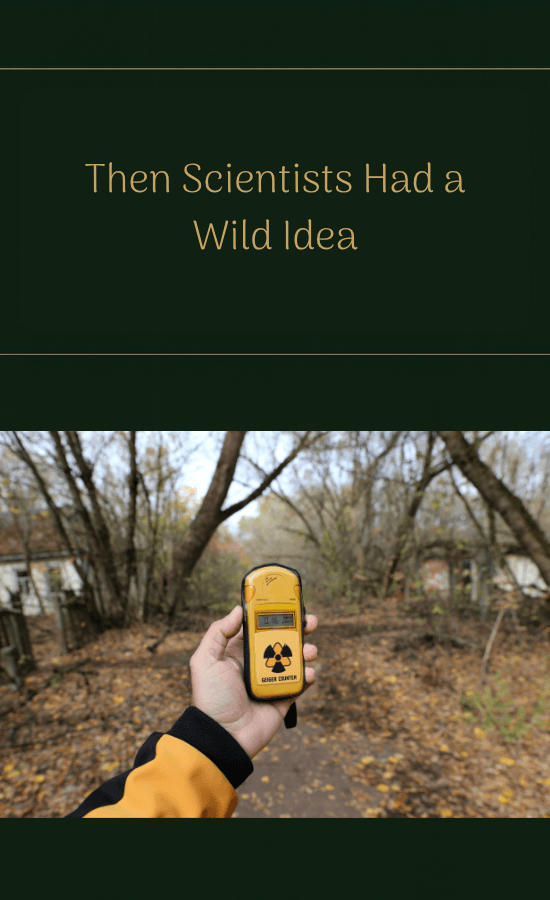
If this fungus can shield itself from radiation that intense... could it shield us?
That’s the exact problem standing between humanity and Mars.
Space is drenched in cosmic radiation. On a long trip to Mars, that radiation would slowly cook astronauts—it’s one of the biggest obstacles to ever getting there. And the usual solution, heavy metal shielding, is brutally expensive to launch off Earth.
But a fungus? You could carry a few grams and grow your shield when you arrive.
So in 2018, researchers arranged with NASA to send this Chernobyl fungus somewhere unexpected: outer space.
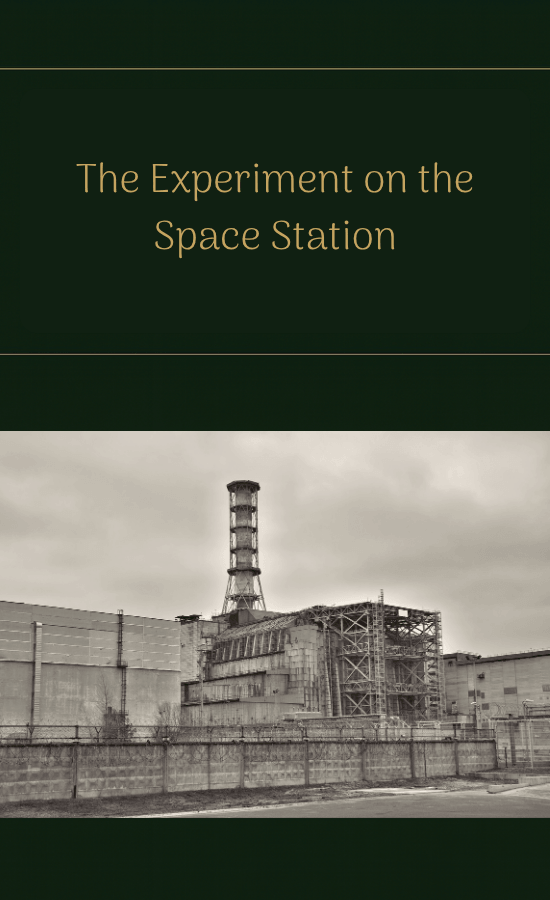
They sent a sample to the International Space Station.
A petri dish—one side coated with the fungus, one side bare as a control—with a radiation detector mounted behind it. Then they waited to see if the fungus could block the cosmic rays constantly bombarding the station.
It could.
A layer under two millimeters thin absorbed roughly 2% of the radiation hitting it. And here’s the kicker: the fungus actually grew faster in space than it did on Earth.
Scientists calculated that a layer about eight inches thick could block nearly all the radiation on Mars.
The disaster fungus might one day protect the first humans on another planet.

Some researchers are dreaming even bigger.
A NASA astrobiologist has envisioned “myco-architecture”—entire habitats grown from fungi on the Moon or Mars. Not shipped from Earth. Grown on-site.
Living walls that are also self-repairing radiation shields. Structures that regenerate themselves. Homes that are, in a sense, alive.
The same organism that colonized the ruins of Chernobyl could become the walls that shelter humanity’s first steps into deep space.
From nuclear catastrophe to interplanetary home. That’s quite a résumé for a fungus.

There's a lesson buried in this black mold on a reactor wall.
We tend to think of fungi as fragile. Simple. Something you scrape off old bread. But they’ve been on this planet for a billion years, quietly solving problems we can barely comprehend—surviving conditions that would destroy almost anything else.
While we were writing Chernobyl off as a dead zone, a fungus was busy turning poison into fuel. And now that same resilience might carry us to another world.
Fungi keep teaching us the same lesson, over and over: life is more creative, more adaptable, and more astonishing than we give it credit for.
Sometimes the thing growing in the ruins isn’t a sign of decay.
It’s a sign of what’s possible.
Water Your Mind 💚
Mushie Media of the Week:
"Chernobyl Fungus Could Protect Astronauts From Harmful Space Radiation"
by: BBC Sky at Night Magazine