Think about it for a second.
Mario eats one to grow. Alice nibbles one to change size. The Smurfs live in them. Fairies dance around them.
Open almost any fairy tale, fantasy world, or video game and there’s a mushroom tucked somewhere in it—usually a little magical.
This isn’t a coincidence. Mushrooms have lived in human imagination for centuries. And the reason why leads somewhere fascinating.
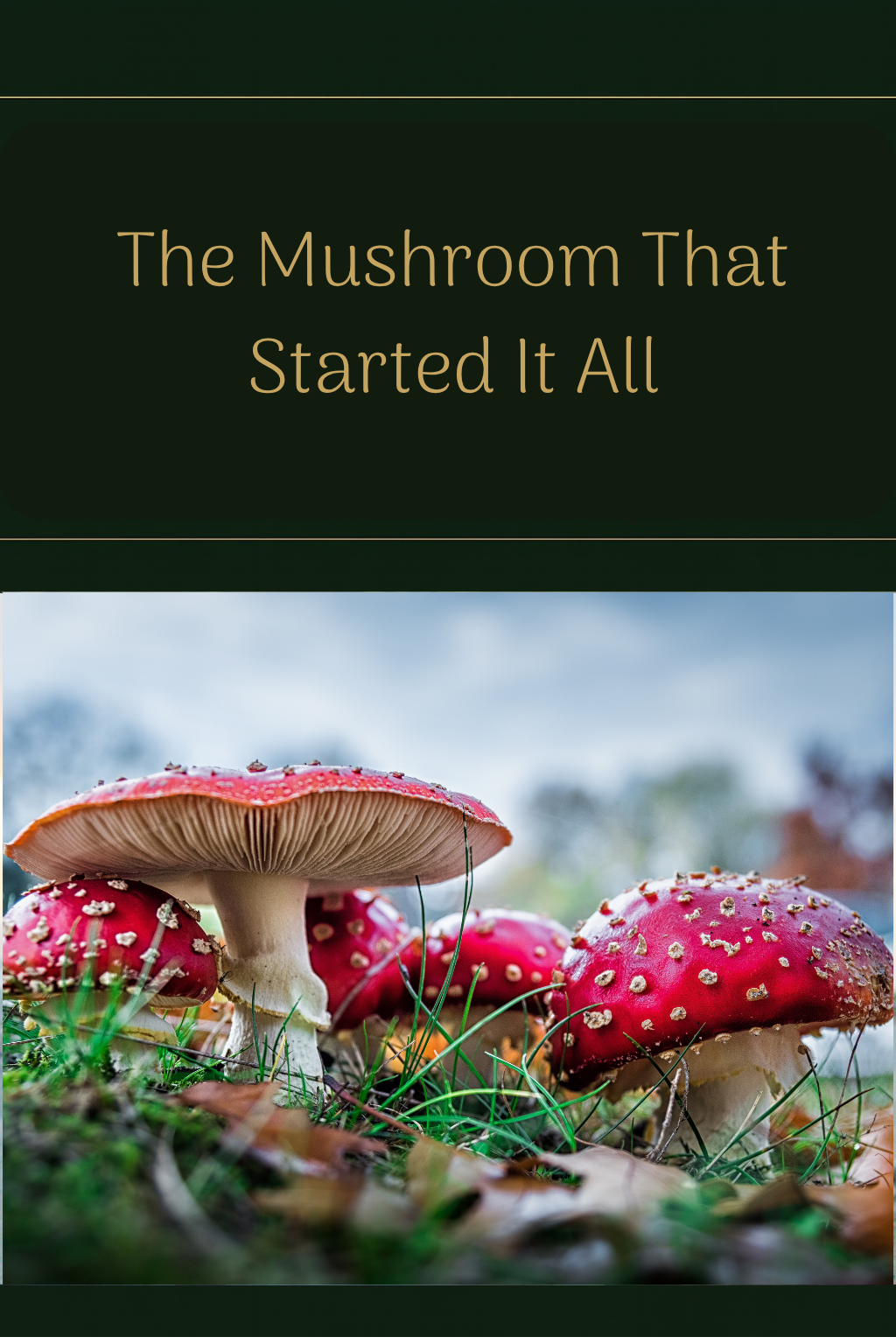
That iconic red-and-white mushroom you're picturing is real. It's called Amanita muscaria—and it's the most illustrated mushroom in human history.
It appears in Victorian fairy paintings, Scandinavian folklore, and Super Mario Bros.
But here’s the thing: Amanita wasn’t the only mushroom our ancestors revered. Across the world, cultures were quietly building their entire spiritual lives around a different fungus—psilocybin mushrooms.
While Europe painted fairy toadstools, other cultures were using mushrooms to touch the divine.
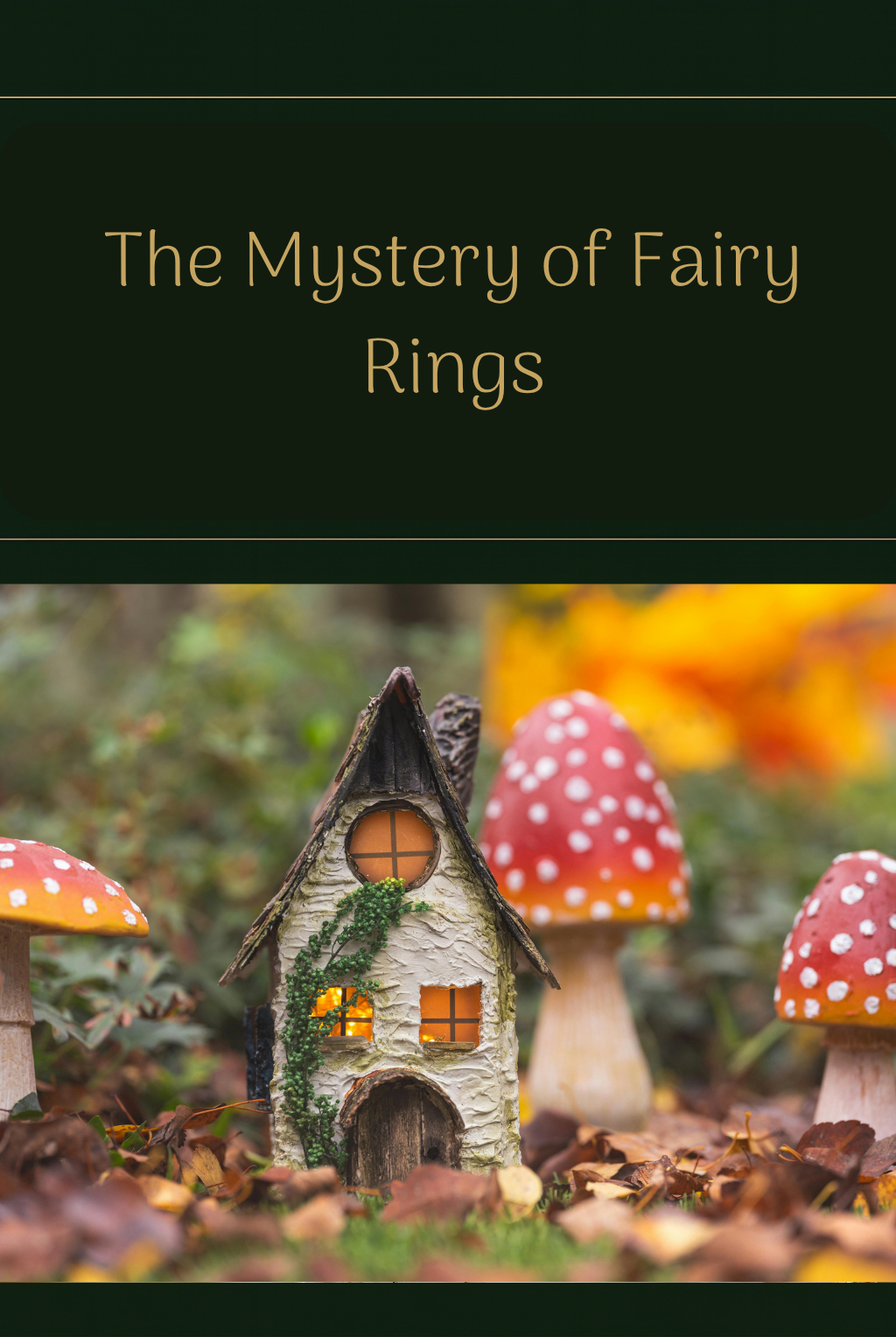
Sometimes mushrooms grow in a perfect circle overnight.
A flawless ring appears where there was nothing the day before.
To medieval Europeans, this was proof of the supernatural. Fairies had danced there. Witches had gathered.
The real explanation—mycelium growing outward underground—is almost as magical as the myth. The fungus expands evenly in all directions, creating rings that can grow for centuries.
But notice the instinct: humans saw mushrooms and immediately sensed something otherworldly. Something that connected to realms beyond the ordinary.
They weren’t entirely wrong.
There's a reason mushrooms feel magical even before you know anything about them.
They appear from nowhere. They thrive in darkness. They come in impossible colors. They decompose the dead and conjure life from it.
Plants grow slowly toward light. Mushrooms just materialize.
And one particular kind—psilocybin mushrooms—does something even stranger. It opens doorways in human consciousness that feel exactly like the magic our ancestors painted into fairy tales.
The “other world” in the stories? Some cultures found it was real.
They just had to eat the right mushroom to get there.
While Europe was painting fairy toadstools, civilizations across the globe were using psilocybin mushrooms in sacred ceremonies.
The Aztecs called them “teonanácatl”—flesh of the gods.
Indigenous Mazatec healers in Mexico used them for spiritual journeys and healing rituals that continue today.
Cave paintings in Spain and Algeria, dating back thousands of years, appear to depict mushroom rituals.
These weren’t fairy tales to them. They were technology for touching the sacred. A way into the very “other world” that European folklore could only imagine.
Here's what's wild to consider.
The fairy tales weren’t just whimsy. They might have been cultural memory.
The mushroom that makes Alice grow and shrink. The toadstool that’s a portal to fairyland. The fungus that connects our world to a magical one.
These stories echo something real: mushrooms genuinely alter perception, shift consciousness, and create experiences that feel like stepping into another dimension.
Our ancestors encoded a truth into myth—that certain mushrooms are doorways. Science is only now catching up to what storytellers intuited long ago.
We like to think we recently "discovered" what mushrooms can do.
But humans have been fascinated by fungi for as long as we’ve told stories. We painted them, feared them, revered them, and wrote them into our myths—long before we understood them.
The magic we assigned to mushrooms in fairy tales wasn’t just imagination. It was intuition running ahead of science.
Psilocybin mushrooms really are doorways. They really do shift consciousness. They really do connect us to something that feels beyond ordinary reality.
Our ancestors couldn’t explain it. So they called it magic and wove it into stories.
Maybe they understood more than we gave them credit for.
Water Your Mind 💚
Mushie Media of the Week:
"Psilocybin Therapy Part 1: History, Pop Culture, Safety and Side Effects"
by: Nadav Klein and David Puder