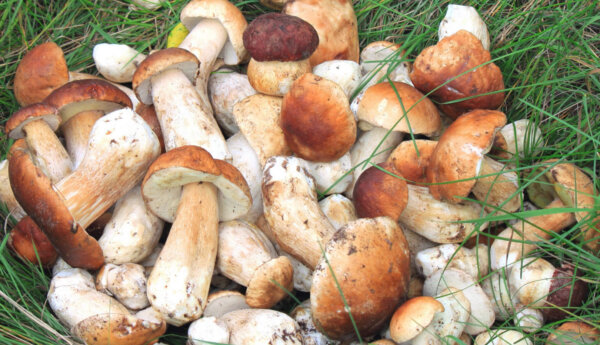
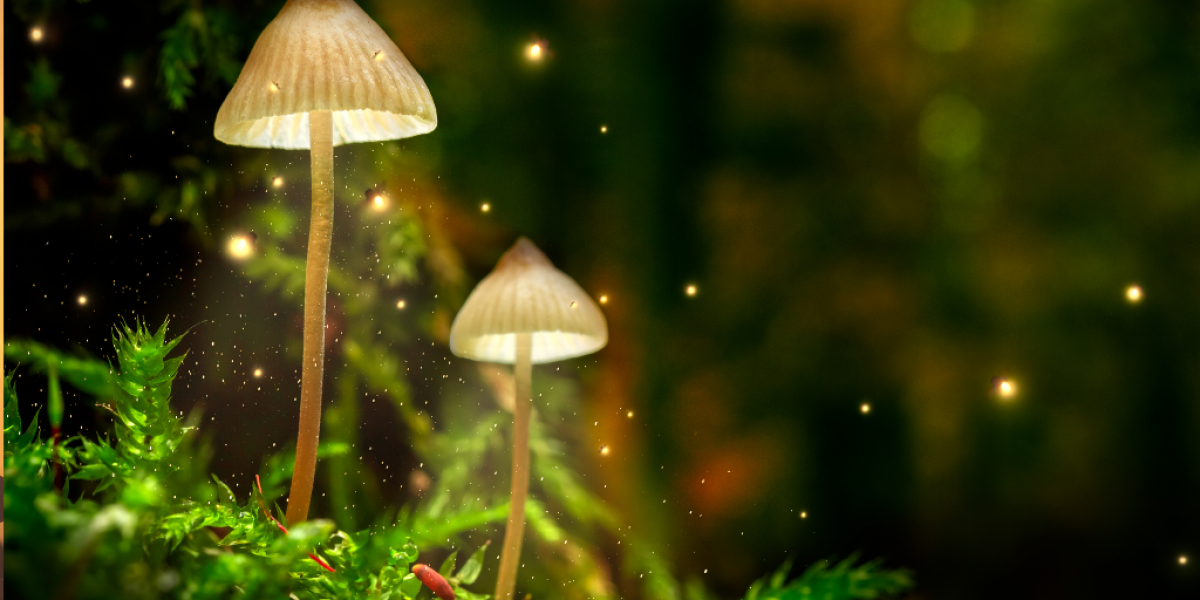
Pick one up. Handle it. Bruise it.
And within moments, it does something no ordinary mushroom does.
It turns blue.
Not brown like a cut apple. Not black like a rotting banana. A deep, striking, almost electric blue—right there where you touched it.
For decades, this was one of the strangest unsolved puzzles in mycology.
Everyone could see it happen. Nobody could explain it.

That blue bruising isn't just a party trick.
It’s essentially a signature. A telltale sign that a mushroom contains psilocybin.
Foragers have used it for generations as one clue among many. When a mushroom bruises that particular shade of blue, it’s revealing something about its inner chemistry—a hint of the compounds it carries inside.
The mushroom is, in a sense, showing you its secret when you touch it.
But the why behind that color? That stayed hidden for over half a century.
The first real clue came in 1967—nine years after psilocybin itself was isolated.
Researchers noticed a blue color forming in psilocybin-treated cells. They knew oxidation was involved. They knew it connected to psilocybin somehow.
And then… they got stuck.
The legendary mycologist Paul Stamets summed it up perfectly: for years, no one could pinpoint the chemical structure of the blue compound.
It became a quiet, nagging mystery. A thing everyone accepted but no one understood. For fifty-two years.

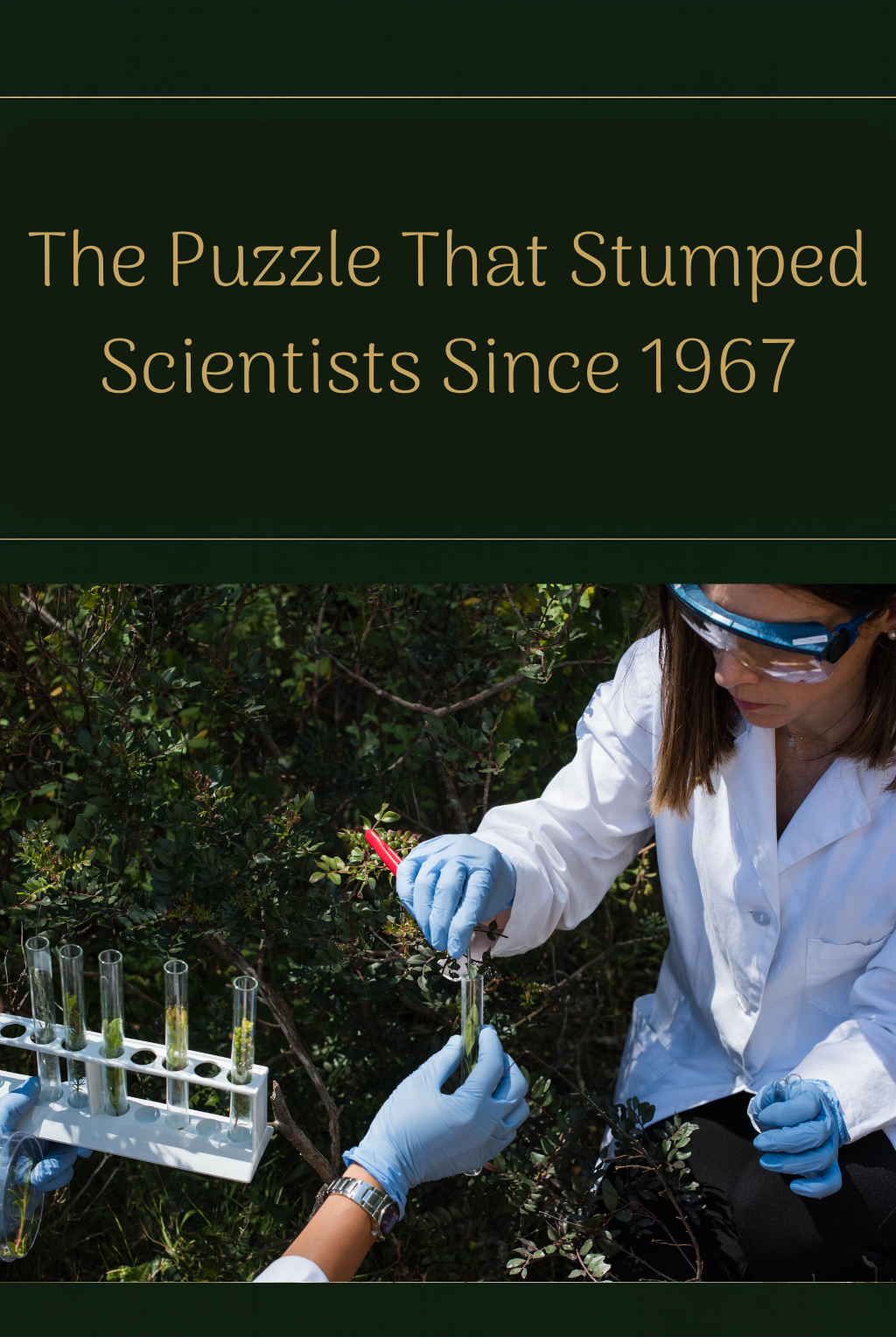
Then a German researcher named Dirk Hoffmeister and his team decided to solve it once and for all.
They’d grown these mushrooms in their lab for years, watching the blue appear again and again. So they ran experiment after experiment—isolating the pigment, breaking it apart, reassembling it, turning it blue and back again.
And finally, they mapped the whole thing.
The blue isn’t random. It’s a precise chemical cascade. Two enzymes spring into action the moment the mushroom is damaged, transforming psilocybin step by step into a brand new blue pigment.
A fifty-year mystery, solved by patient detective work.
Here's the fun part.
When scientists finally identified the blue compound, they realized it looked remarkably similar to indigo—the exact dye that makes your blue jeans blue.
Think about that. The same family of color that colors denim around the world is being created, spontaneously, inside a mushroom the moment you touch it.
Nature ran its own little dye factory the whole time. We just never knew how it worked.
So what's the point?
The leading theory is beautifully simple: protection.
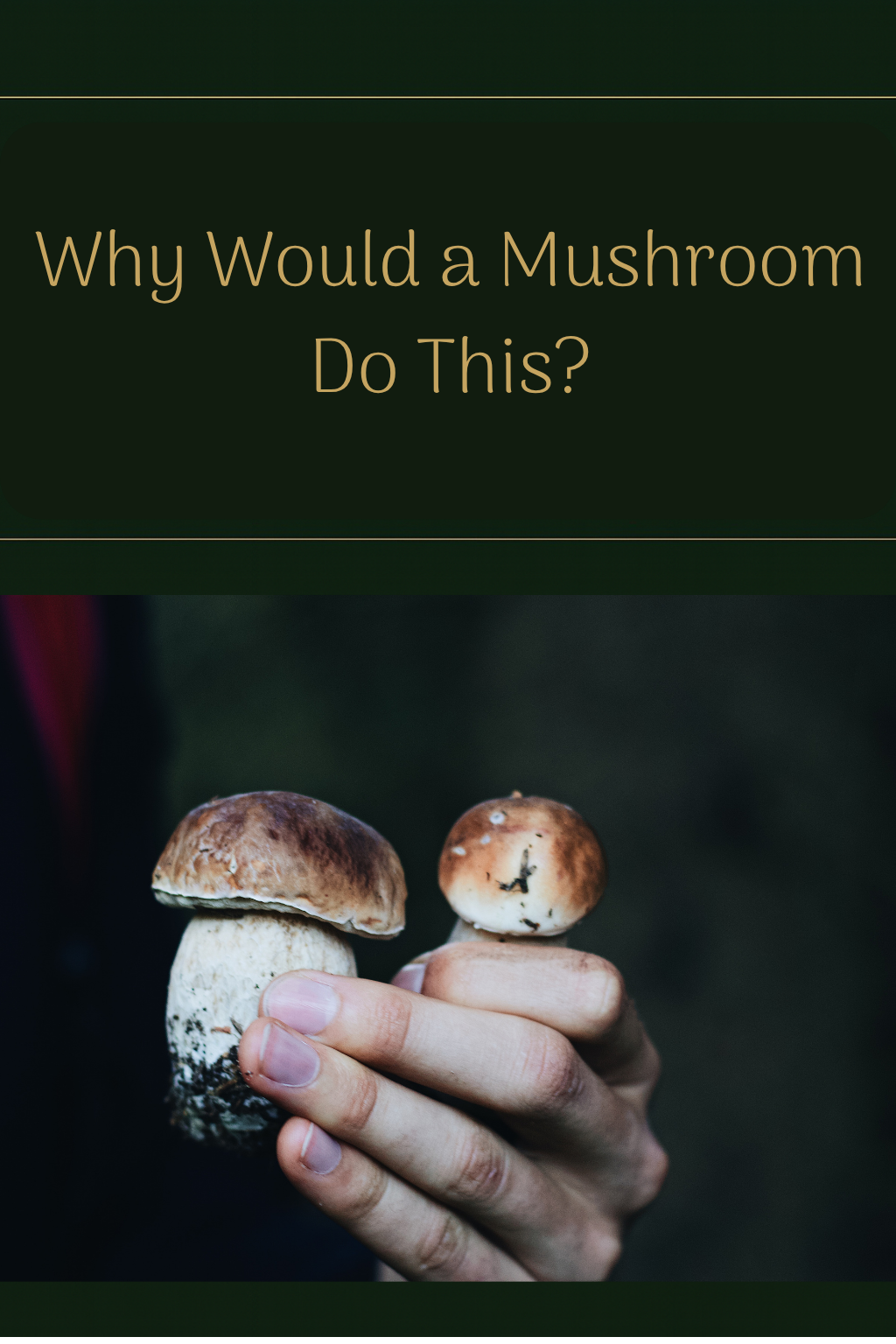
Researchers suspect the mushroom creates this blue reaction as a defense—a way to guard itself when something tries to nibble or damage it. When injured, it triggers this chemical shield.
In other words, that gorgeous blue isn’t damage. It’s the mushroom taking care of itself. Responding to the world. Protecting what it is.
There’s something oddly beautiful about that. The mushroom’s response to being hurt is to create color.

We often think we understand these mushrooms.
But here’s a mushroom people have handled, foraged, and revered for thousands of years—and one of its most visible, obvious traits stayed a genuine mystery until 2019.
Fifty-two years of some of the smartest people on Earth scratching their heads over a color change you can trigger with your thumb.
It’s a good reminder: nature still has secrets. Even the things we think we know are full of hidden chemistry, quiet intelligence, and small wonders waiting to be understood.
The next time you see that flash of blue, remember—you’re watching a reaction that outsmarted science for half a century.
The mushrooms were never simple. We were just catching up.
Water Your Mind 💚
Mushie Media of the Week:
"Psilocybin Mushrooms & the Mycology of Consciousness"
by: Paul Stamets