
Think of something you're still holding onto.
A grudge. A mistake. A relationship that ended. A version of yourself you used to be. An expectation that didn’t pan out.
Feel that weight?
That’s not the past hurting you. That’s you holding onto the past.

Here's the paradox: Holding on feels safer than letting go.
The familiar—even when it hurts—feels more secure than the unknown. Your brain would rather replay old pain than face new uncertainty.
Psychologists call this “loss aversion.”
We fear losing what we have (even if it’s just a memory or a grudge) more than we desire gaining something new.
So we clutch. We ruminate. We replay the same conversations, the same regrets, the same “what ifs.”
And we call it “processing.”
But here’s the truth: There’s a difference between processing and clinging.
Processing moves you forward. Clinging keeps you stuck.

Psilocybin has a unique ability to dissolve attachment.
It quiets the Default Mode Network—the part of your brain responsible for rumination, self-referential thinking, and ego attachment.
What this creates:
- Less mental looping on the same thoughts
- Reduced emotional charge around old memories
- Natural perspective shift ("this doesn't define me")
- Ability to see the past without being trapped by it
This is why people report that after microdosing, old grudges just… don’t matter anymore. Past mistakes feel lighter. Regrets lose their grip.
It’s not about forgetting. It’s about releasing the emotional weight.
Step 1: Name What You're Holding
Write down one thing you’re still carrying. Be specific.
Not “my ex” but “the anger I have about how they left.”
Not “my past” but “shame about the job I lost in 2022.”
Step 2: Ask Why You're Holding It
What does holding onto this give you?
Sometimes we hold grudges because they make us feel righteous.
We hold regrets because they prove we care. We hold pain because it’s the last connection we have to something we lost.
Be honest about the payoff.
Step 3: Dose Intentionally
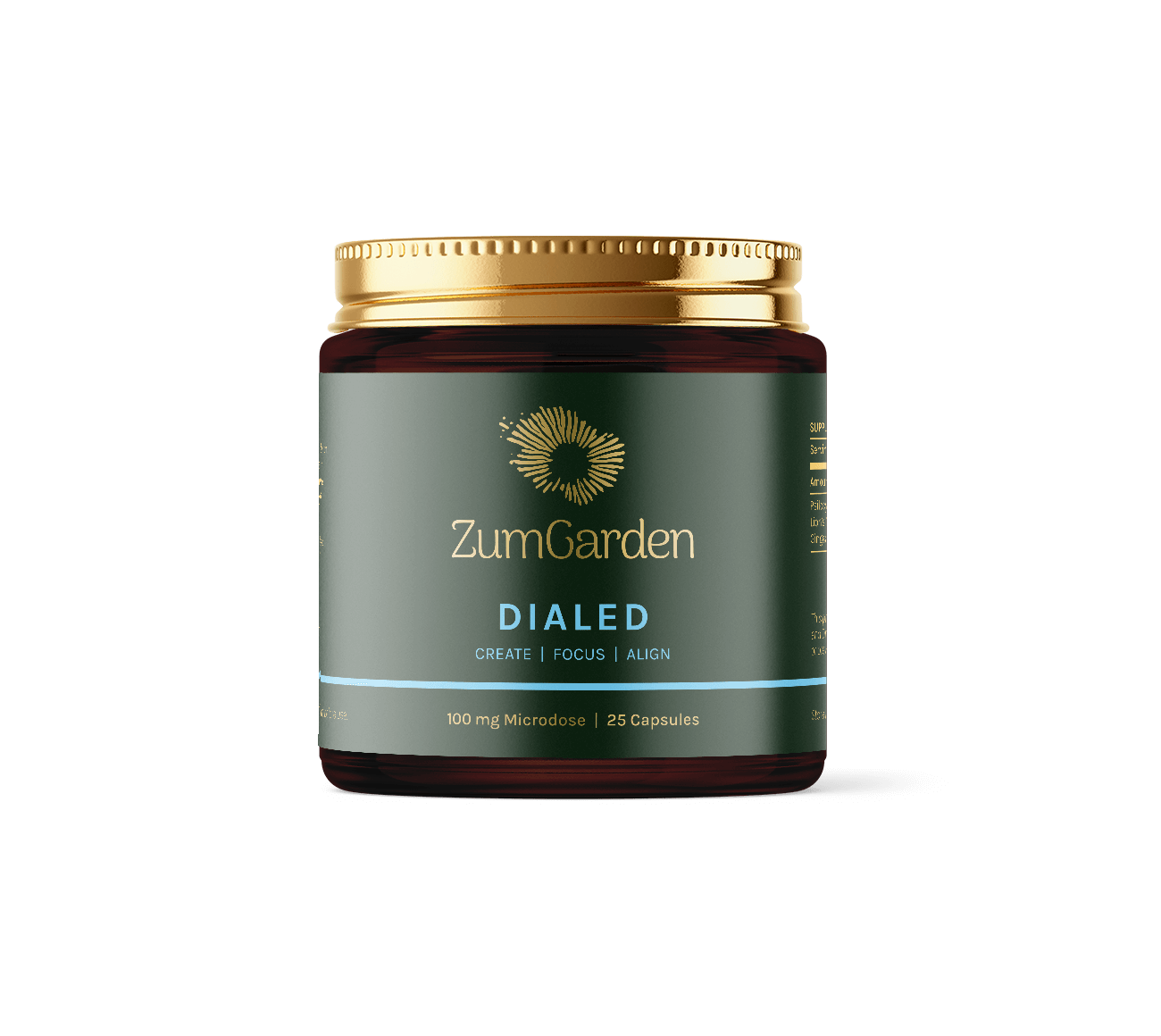
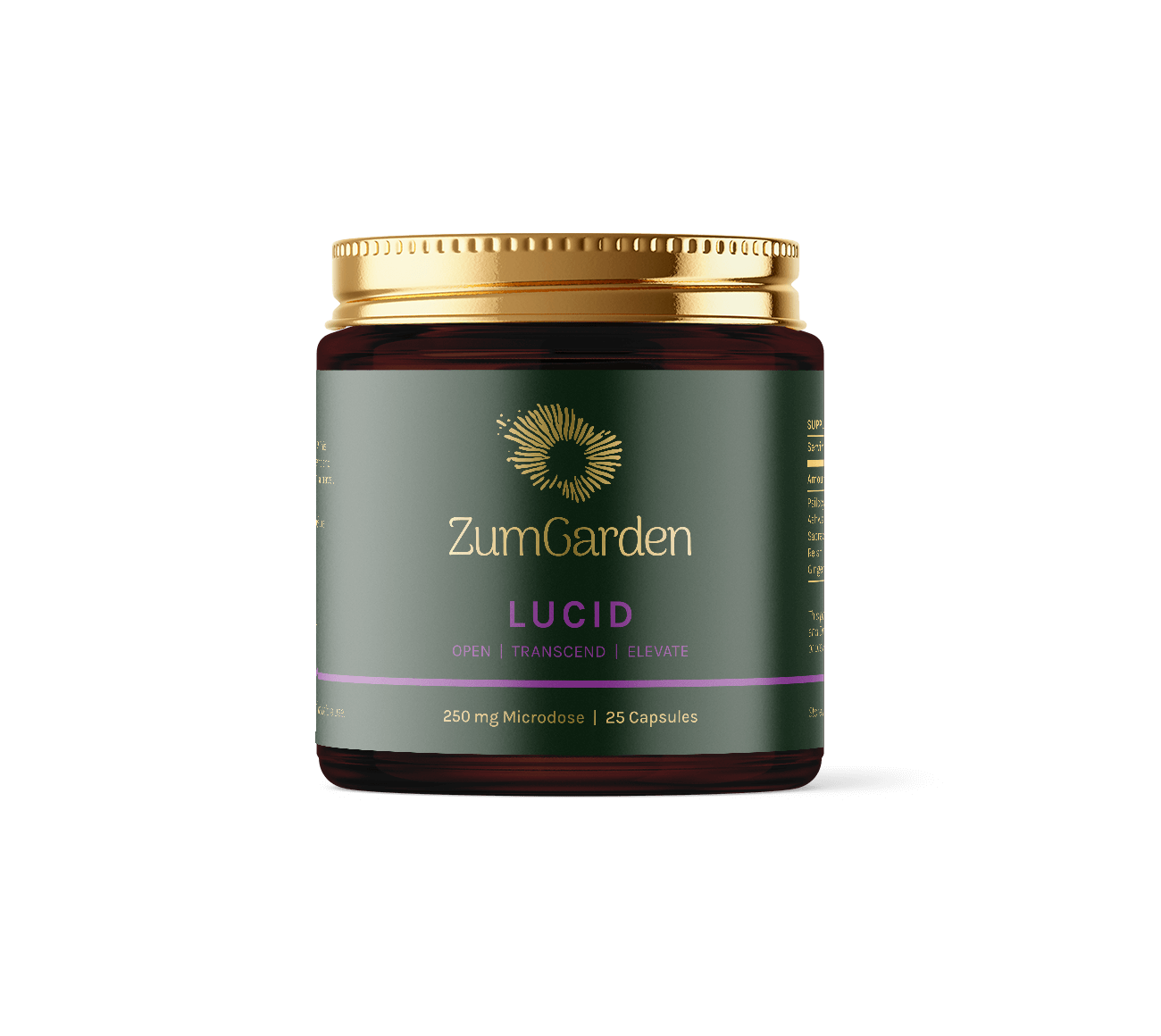
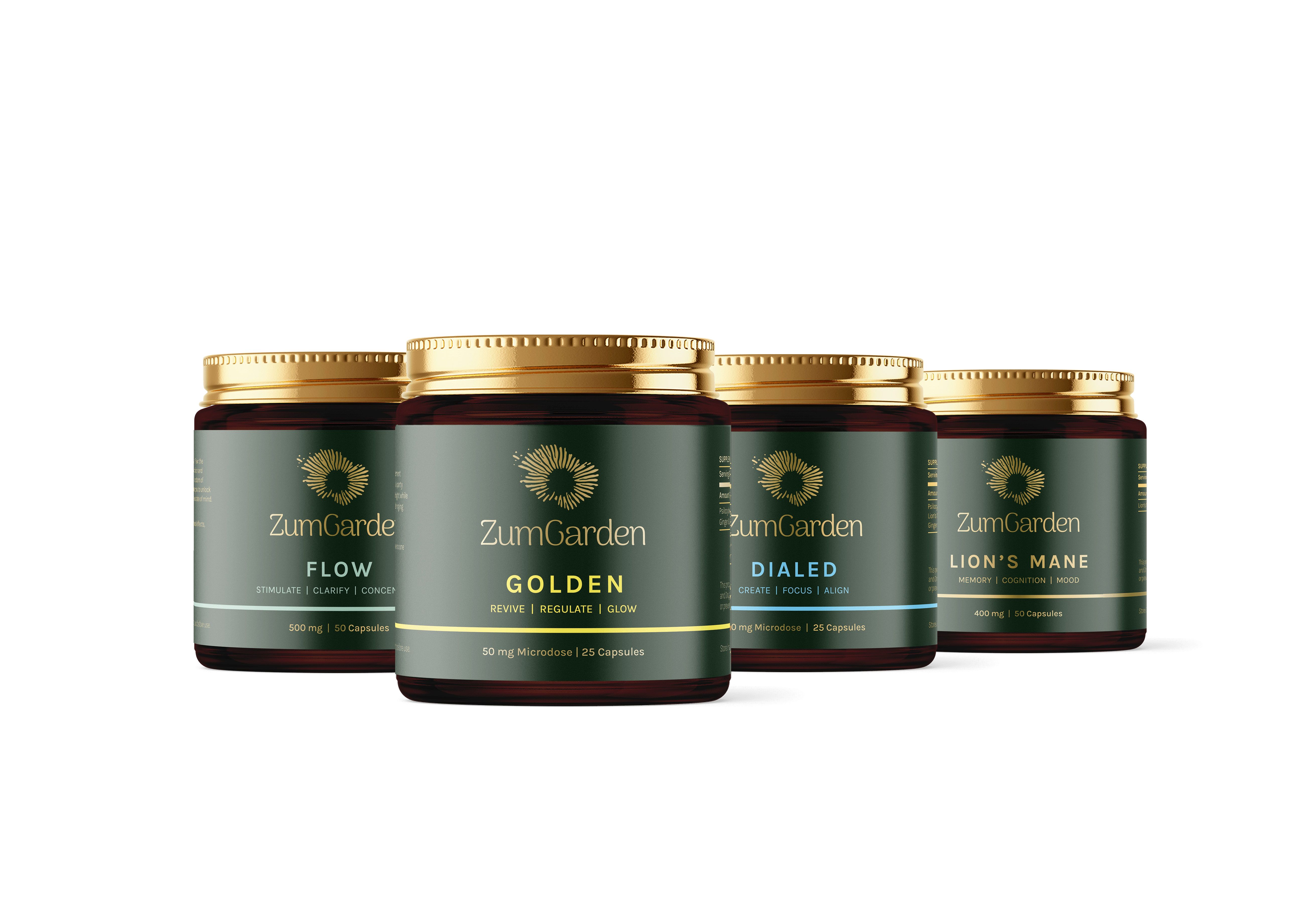
Take 1 capsule of Lucid or Golden. Sit somewhere quiet.
Close your eyes and visualize the thing you’re holding. See it clearly. Feel its weight.
Then imagine opening your hands and letting it go.
Not throwing it away in anger. Just… releasing it. Watching it float away like a balloon.
You don’t need it anymore.
Step 4: Notice the Space
After you let go, there’s space.
Space for new experiences. Space for growth. Space for forgiveness (of yourself, of others).
Letting go doesn’t mean you didn’t care. It means you’re choosing to be free.
Holding on is believing there's only a past. Letting go is knowing there's a future.
The past happened. You can’t change it. But you can change how much space it takes up in your present.
Psilocybin doesn’t erase your history. It helps you stop being defined by it.
Because here’s the secret: You’re not who you were. You’re not even who you are right now. You’re constantly becoming.
And you can’t become the next version of yourself while carrying around all the old versions.
So this week, practice releasing.
One grudge. One regret. One expectation. One story you’ve been telling yourself that’s no longer true.
Let it go. Not because it didn’t matter, but because you matter more.
Mushie Media of the Week:
"Mushroom Medicine: Unlocking Minds & Changing Lives"
by: Peter Sage