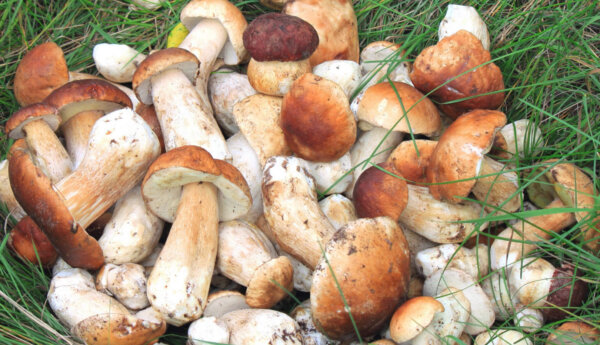
Every mushroom you see poking through the dirt is just the tip of something much bigger.
The real organism—the actual fungus—lives underground. Invisible. Sprawling. Connected.
Those mushrooms are the “fruit” of the fungus, while the majority of the fungal organism lives in the soil interwoven with tree roots as a vast network of mycelium.
There are thousands of kilometers, even under a square meter of soil, of fungi linking all these plants together.
Scientists call it the “wood wide web.” And it’s exactly what it sounds like.
Mycelium are incredibly tiny "threads"
That wrap around tree roots, forming mycorrhizal networks which connect individual plants together to transfer water, nitrogen, carbon and other minerals.
The trees give the fungi sugar from photosynthesis. The fungi give the trees nutrients from the soil.
But it’s not just food. It’s information.
When a tree is attacked by harmful organisms, it can alert its neighboring trees through chemical signals facilitated by mycelium, prompting them to produce defense mechanisms.
One tree gets infested. It sends a warning through the network. Neighboring trees start making defensive compounds before the threat even arrives.
The forest is watching out for itself.
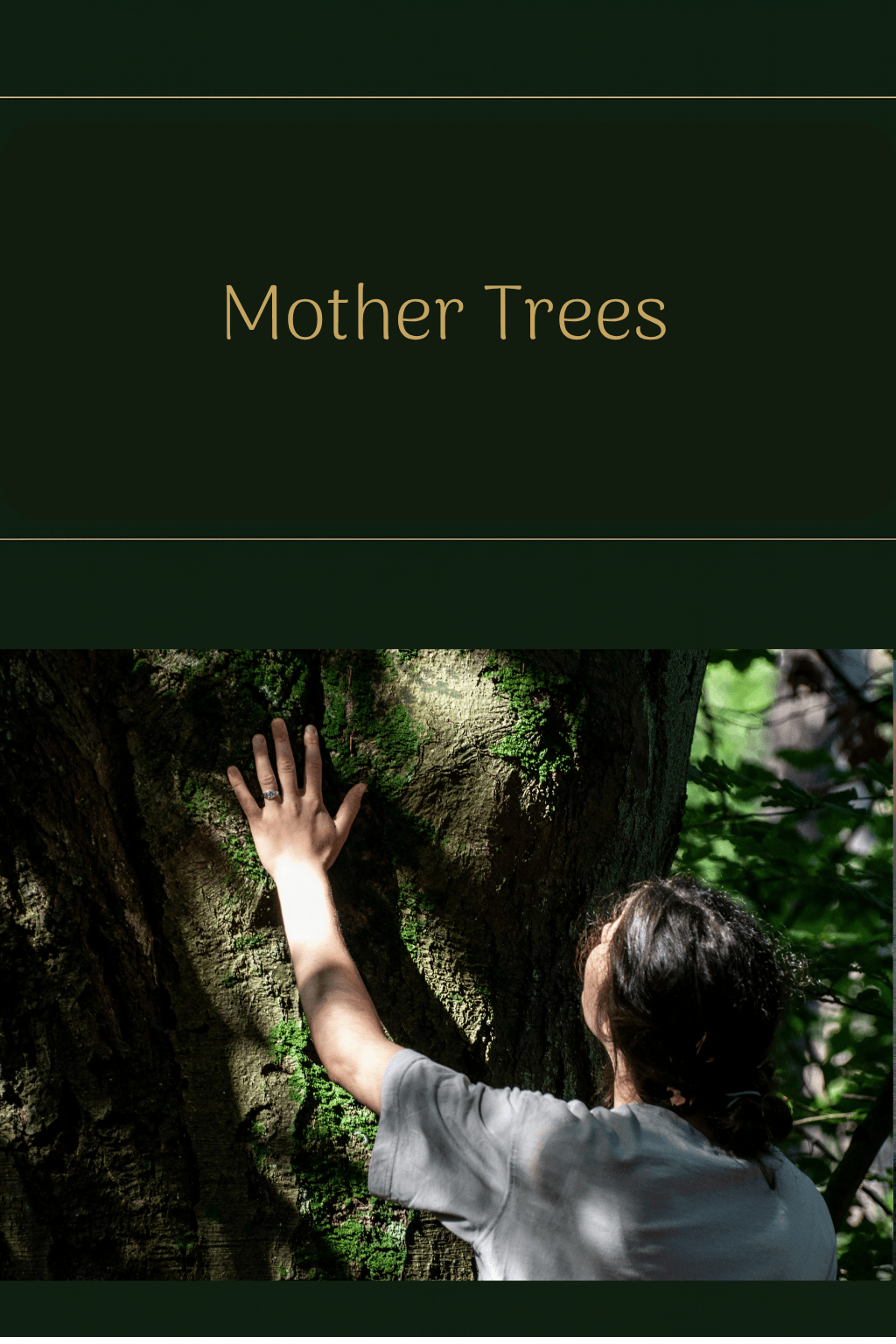
Older trees—called "mother trees"—have the most fungal connections.
They reach deeper water sources and pass nutrients to younger saplings through the network.
For saplings in shady areas with not enough sunlight for photosynthesis, the sapling relies on nutrients and sugar from older trees sent through the mycorrhizal network.
Young trees literally get fed by their elders until they’re strong enough to contribute.
Forests aren’t battlegrounds. They’re communities.
For decades, there was an enormous infrastructure
Built around the belief that competition between species is the only driving force in forests. But trees have very sophisticated ways of communication and interacting that includes collaboration as well.
Forestry assumed competition. So they clear-cut “competitor” species. Spaced trees far apart. Treated forests like plantations.
But the science showed forests work through connection, not isolation.
Over 80% of land plants depend on mycorrhizal associations. Without mycorrhiza, most plants simply would not survive.
The mushrooms you microdose with come from the same
The mushrooms you microdose with come from the same fungal kingdom that built the wood wide web.
Not the same species—but the same family.
And the parallel is striking.
In forests, mycelium connects trees that don’t normally interact. It creates communication pathways. It strengthens the whole system by linking its parts.
In your brain, psilocybin does the exact same thing.
It increases communication between regions of your brain that usually stay isolated. It dissolves rigid patterns. It creates new connections.
Mycelium acts as an efficient communication system, linking trees, plants, and even other organisms.
Connection is literally what fungi do.
In the soil, they link roots.
In your mind, they link thoughts.
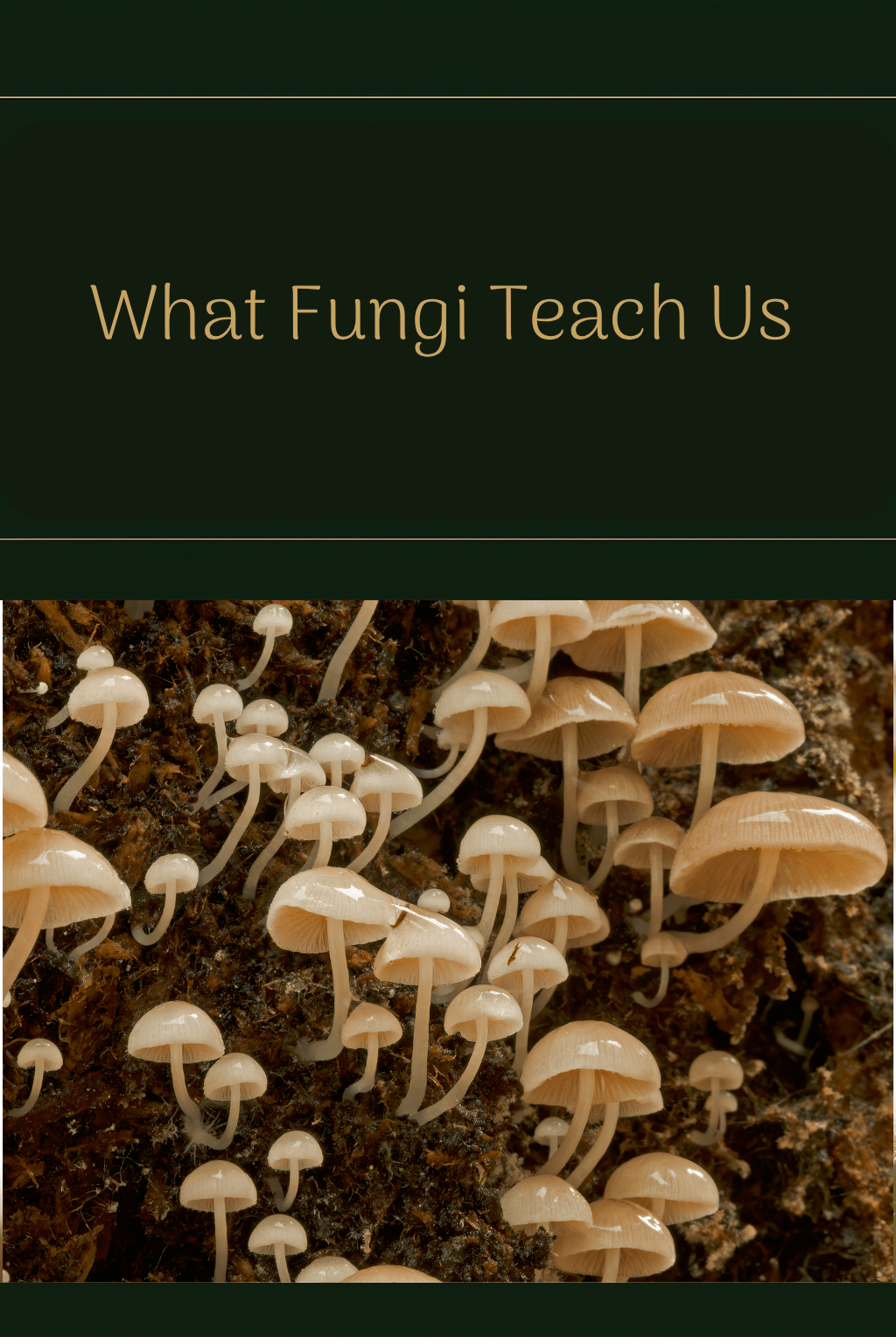
Mushrooms have been connecting ecosystems for 500 million years.
They don’t compete for dominance. They facilitate exchange.
They don’t hoard resources. They distribute them.
They don’t isolate. They integrate.
And psilocybin mirrors that.
It doesn’t just change how you feel. It changes how parts of you communicate with each other.
The same way mycelium helps a forest share resources, psilocybin helps your brain share information across regions that were previously disconnected.
The mechanism is ancient. The lesson is timeless.
Nothing thrives in isolation. Not trees. Not minds. Not people.

Next time you see a mushroom, remember: you're looking at the smallest part of something vast.
Beneath the surface, there are kilometers of threads connecting everything. Trees sharing nutrients. Young saplings being fed by elders. Warnings traveling through the network.
The forest isn’t a collection of individuals. It’s a living conversation.
And psilocybin—the compound that comes from fungi—does in your brain what mycelium does in the earth.
It connects what was separate.
It shares what was isolated.
It reminds you that nothing exists alone.
Fungi have been teaching this lesson for millions of years.
We’re just finally starting to listen.
Water Your Mind 💚
Mushie Media of the Week:
"The Secret Electrical Language of Mushrooms with Yu Fukasawa"
by: Mushroom Revival Podcast